
A comprehensive evaluation of the crustacean assemblages in southern Iberian Mediterranean wetlands
ABSTRACT
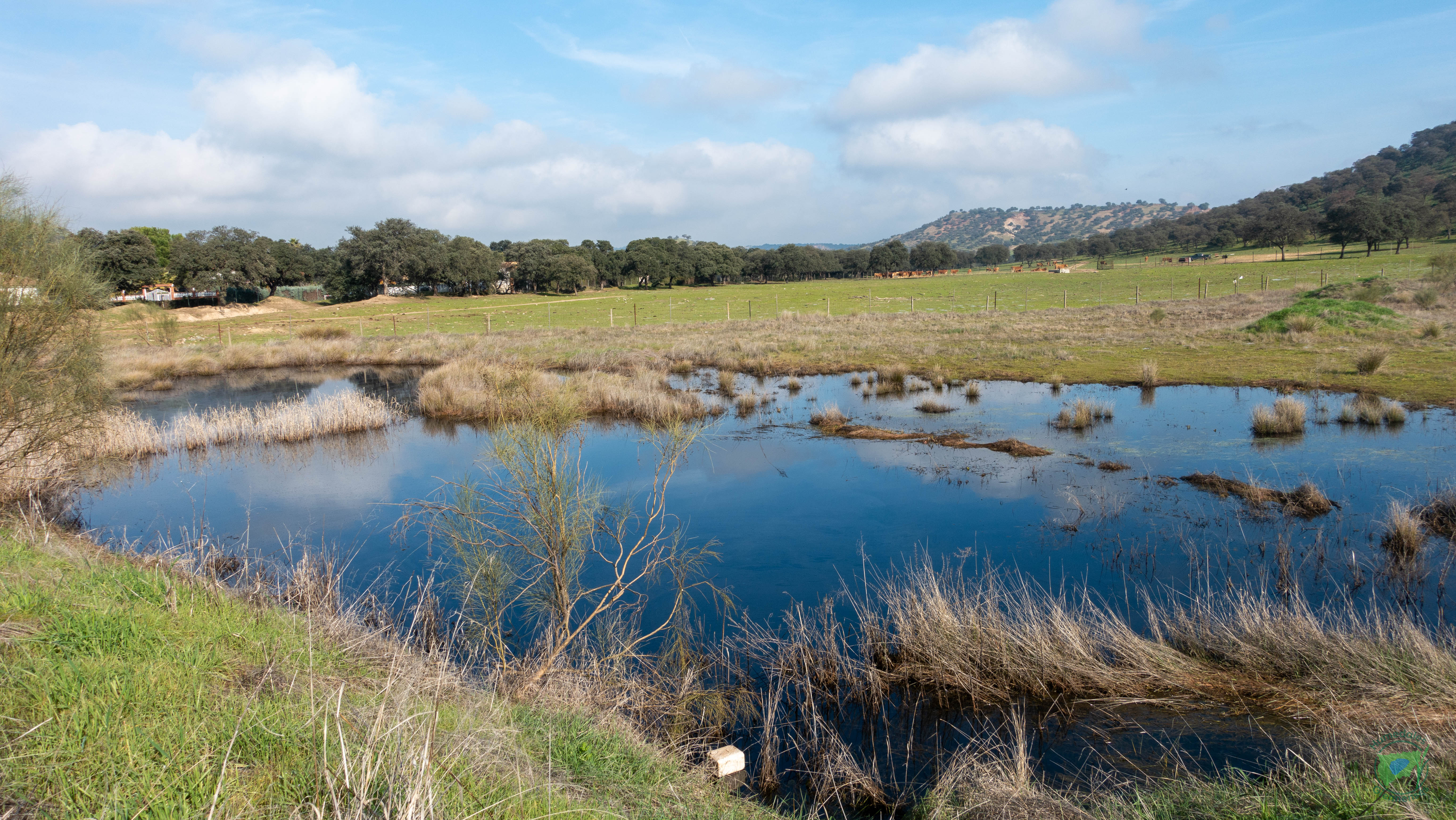
Although Mediterranean wetlands were recognized as biodiversity hotspots, most of them are nowadays threatened by human activities that have led to habitat loss and degradation. A total of 36 wetlands were monitored to assess species richness of branchiopods and copepods by using accumulation curves and non-parametric estimators. Three different types of wetlands were identified: i) temporary freshwaters-subsaline-hyposaline (TFSH); ii) permanent freshwaters-subsaline-hyposaline (PFSH); and iii) mesosaline-hyper- saline (MH) wetlands (including temporary and permanent ones). A total of 60 species were recorded; they belong to seven different orders. A large number (37%) of rare species (present in only one wetland) were found while only 11% of the total species were common (i.e., present in more than 20% of wetlands). Species richness was related to wetland typology, with the largest number of species ob- served in TFSH, followed by MH and by PFSH wetlands. We have found that rare species are mainly present in temporary wetlands, the most vulnerable to hydrological changes; hence, these types of wetlands represent unique sites deserving conservation.